The Truth About Change Orders in Custom Home Construction
Cost overruns are a massive source of anxiety for anyone planning custom home builds in Vernon BC. Staxon Homes speaks with many clients who have experienced nightmare scenarios where a builder hits them with endless extra bills halfway through a project. The truth is that poor planning and vague initial contracts are the root cause of these budget explosions.
We tackle this industry problem directly by focusing on total financial transparency from the very beginning. Understanding how change orders happen allows you to structure your project to avoid them completely. By setting clear parameters and finalizing decisions early you can keep your general contracting team on track and your budget protected.
In This Article:
- The Reality of Construction Timelines and Change Orders
- The Most Common Underestimation About Scope Creep
- How Client Decisions Impact the Final Bill
- Frequently Asked Questions
The Reality of Construction Timelines and Change Orders
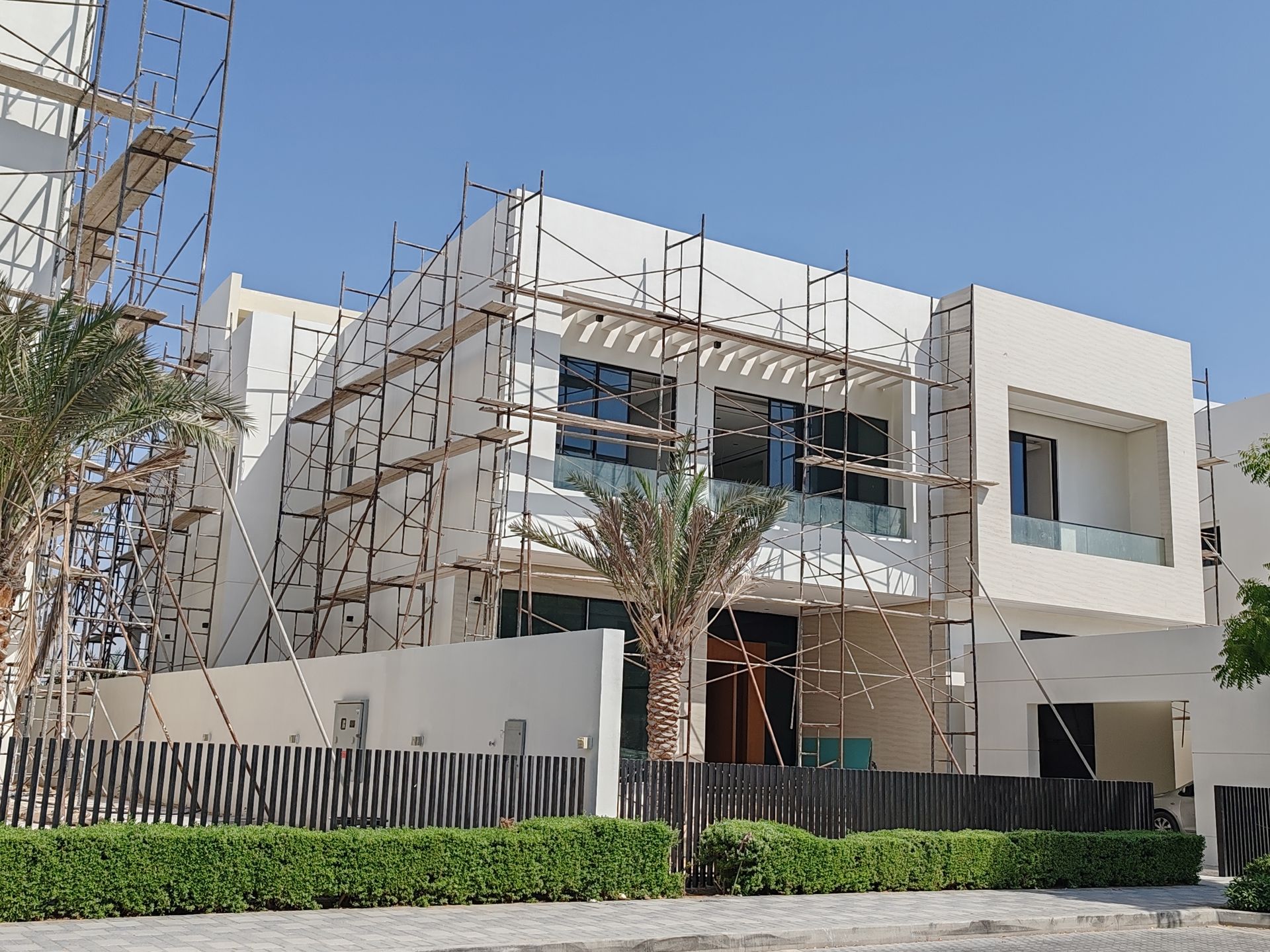
A change order is simply a documented amendment to the original construction contract that alters the scope of work. They occur when a client requests a new feature or when unforeseen site conditions force the builder to change their structural approach. While some structural surprises are unavoidable during excavation the vast majority of change orders stem from clients changing their minds about design finishes. When you swap a standard bathtub for a custom tiled walk in shower the builder has to adjust the framing alter the plumbing rough in and hire a specialized waterproofing trade.
→ From a professional standpoint: Every time a change order is drafted it pauses the momentum of the build while new materials are sourced and approved.
The Most Common Underestimation About Scope Creep
The biggest mistake clients make is underestimating how small additions compound into massive final bills. Adding a single extra electrical outlet seems cheap until you realize the electrician has to return to the site pull new wire through finished framing and patch the insulation. People often assume that swapping a material mid build will only cost the difference in retail price between the two items. They completely ignore the tear down labor restocking fees and the cost of rescheduling the tradesmen who were booked for the original installation.
→ A quick tip to remember: Make it a personal rule to never visit the job site and casually ask a framing carpenter to move a wall a few inches without consulting your project manager first.
How Client Decisions Impact the Final Bill
Your ability to make firm decisions early is the strongest defense against budget creep. Builders price their initial contracts based on a very specific set of architectural drawings and material allowances. When you take weeks to choose your custom cabinetry or imported tile you force the contractor to delay the entire production schedule. These delays often mean the builder has to pay premium rush rates to get the sub trades back on site when the materials finally arrive. Sticking to your original plan ensures the trades can execute their work efficiently and sequentially.
→ From a professional standpoint: Having every single fixture and finish selected before the foundation is poured is the only reliable way to guarantee a fixed price build.
Frequently Asked Questions
How much should I budget for construction change orders?
You should carry a contingency fund of at least ten to fifteen percent of your total build cost specifically for unexpected changes. This buffer covers you if you hit solid rock during excavation or if you decide you absolutely must upgrade to premium hardwood flooring at the last minute. Having this money set aside keeps the project moving without requiring you to scramble for extra financing.
Why are contractors so expensive for add ons?
Contractors charge a premium for add ons because mid project changes destroy their scheduled workflow. Adding a new task means the builder has to halt progress generate a new quote secure new materials and reorganize the schedules of multiple specialized trades. You are paying for the massive administrative disruption as much as the physical labor.
How do you avoid scope creep in building?
The only way to avoid scope creep is to demand a highly detailed contract that lists every single material brand model number and labor expectation. You must approve the full architectural design and interior finish schedule before construction begins. Once the contract is signed you must commit to making zero design changes unless absolutely structurally necessary.
Taking Control of Your Construction Budget
Approaching your build with strict financial discipline turns a stressful process into an exciting creative journey. When you eliminate the guesswork you can focus on the quality and craftsmanship of your new property. Partner with a builder who values honest pricing and refuses to hide behind vague allowances. Contact our team today to discuss your vision and receive a completely transparent breakdown of what it will take to build it.
Share This Blog