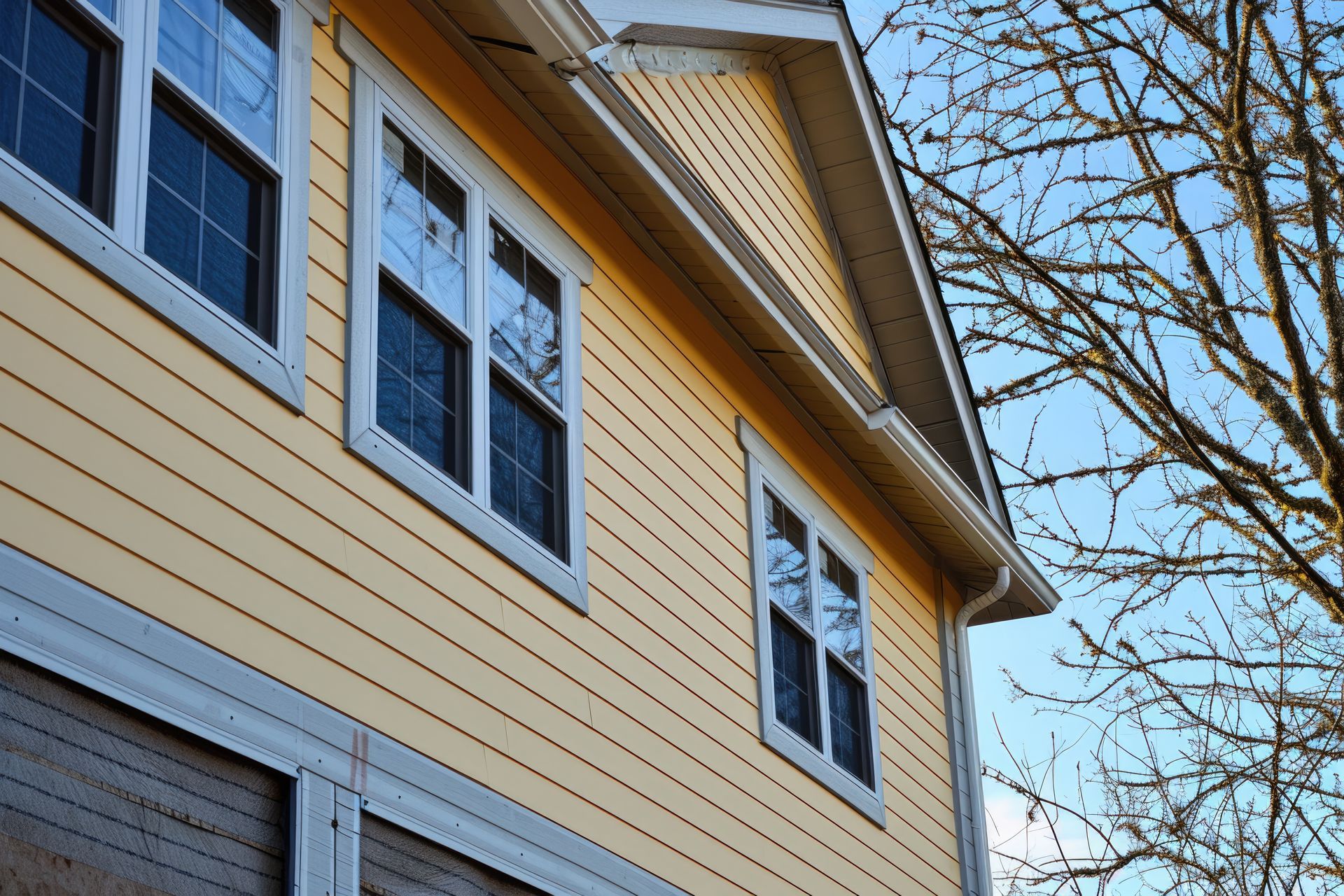
How to Protect Cedar Siding on Mountain Chalets in BC
Natural wood exteriors look stunning against the snowy backdrop of Big White BC but they require intense commitment to survive the elements. Staxon Homes regularly evaluates mountain properties where the timber cladding has turned gray brittle and cracked due to total neglect. The intense ultraviolet radiation at high altitude breaks down raw wood fibers far faster than at sea level.
Protecting your luxury investment means treating exterior maintenance as a strict routine rather than an afterthought. Applying proper roofing and siding solutions keeps your wood nourished and protected against aggressive mountain weather. We outline exactly how to care for your timber exterior so your custom home builds retain their warmth and structural integrity for generations.
Inside This Guide:
- Immediate Aftercare for New Wood Exteriors
- Ongoing Maintenance Habits for High Altitude Timber
- The Most Common Maintenance Mistakes That Destroy Cedar
- How often does cedar siding need to be treated?
Immediate Aftercare for New Wood Exteriors
Freshly installed wood needs immediate protection before it is exposed to harsh sunlight and moisture. The first few months dictate how the timber will age over the next decade.
- Pre Finishing Check: Ensure all boards were fully coated with a high quality penetrating oil on all six sides before they were nailed to the wall.
- End Grain Sealing: Inspect the cut ends of the boards around windows and doors to confirm they are heavily saturated with sealant to block water wicking.
- Initial Washing: Lightly rinse the exterior after the construction dust settles to prevent abrasive dirt from baking into the fresh oil finish.
Ongoing Maintenance Habits for High Altitude Timber
Mountain chalets require a proactive approach to exterior care. The extreme temperature swings from freezing nights to blazing sunny afternoons cause the wood to expand and contract constantly.
- Bi Annual Inspections: Walk the perimeter of your chalet every spring and fall to look for fading finishes or sap bleeding from the knots.
- Soft Washing: Clean the siding annually using a low pressure hose and a specialized wood brightener to remove mold spores and surface grime.
- Clearing Snow Banks: Shovel snow away from the lower rows of siding to prevent constant moisture exposure when the drifts begin to melt.
Working with a reliable crew guarantees these critical details are handled correctly from the start. This is something clients notice firsthand when viewing the finished product.
When the craftsmanship is excellent the long term maintenance becomes much easier to manage.
The Most Common Maintenance Mistakes That Destroy Cedar
Many property owners ruin their expensive wood cladding by using the wrong cleaning methods. Wood is a soft natural material that requires a gentle touch and specific chemical knowledge to maintain.
- Pressure Washing: Blasting soft wood with a high pressure washer instantly gouges the surface and destroys the natural wood grain.
- Using Cheap Paint: Applying standard latex house paint over raw timber traps moisture inside the wood causing massive peeling and deep rot.
► The single most destructive mistake is waiting until the wood turns entirely silver before applying a new coat of protective oil.
How often does cedar siding need to be treated?
At high altitudes mountain properties generally require a new coat of penetrating oil every three to five years depending on the sun exposure. The south facing walls that take the brunt of the afternoon sun will dry out and fade significantly faster than the shaded sides of the house. You know it is time to reapply the treatment when water no longer beads up on the surface and the wood starts to look thirsty or slightly faded.
Preserving Your Mountain Retreat
Staying disciplined with your exterior treatments preserves the rich natural beauty of your property and prevents costly rot repairs. Implementing a consistent care schedule is the smartest way to protect your legacy investment on the mountain. Take a close look at your siding this week to see if the wood is crying out for moisture. Contact us today to discuss proper exterior treatments and ensure your chalet is ready for the coming season.
Share This Blog