Winterizing Your Renovation: Protecting an Open Job Site
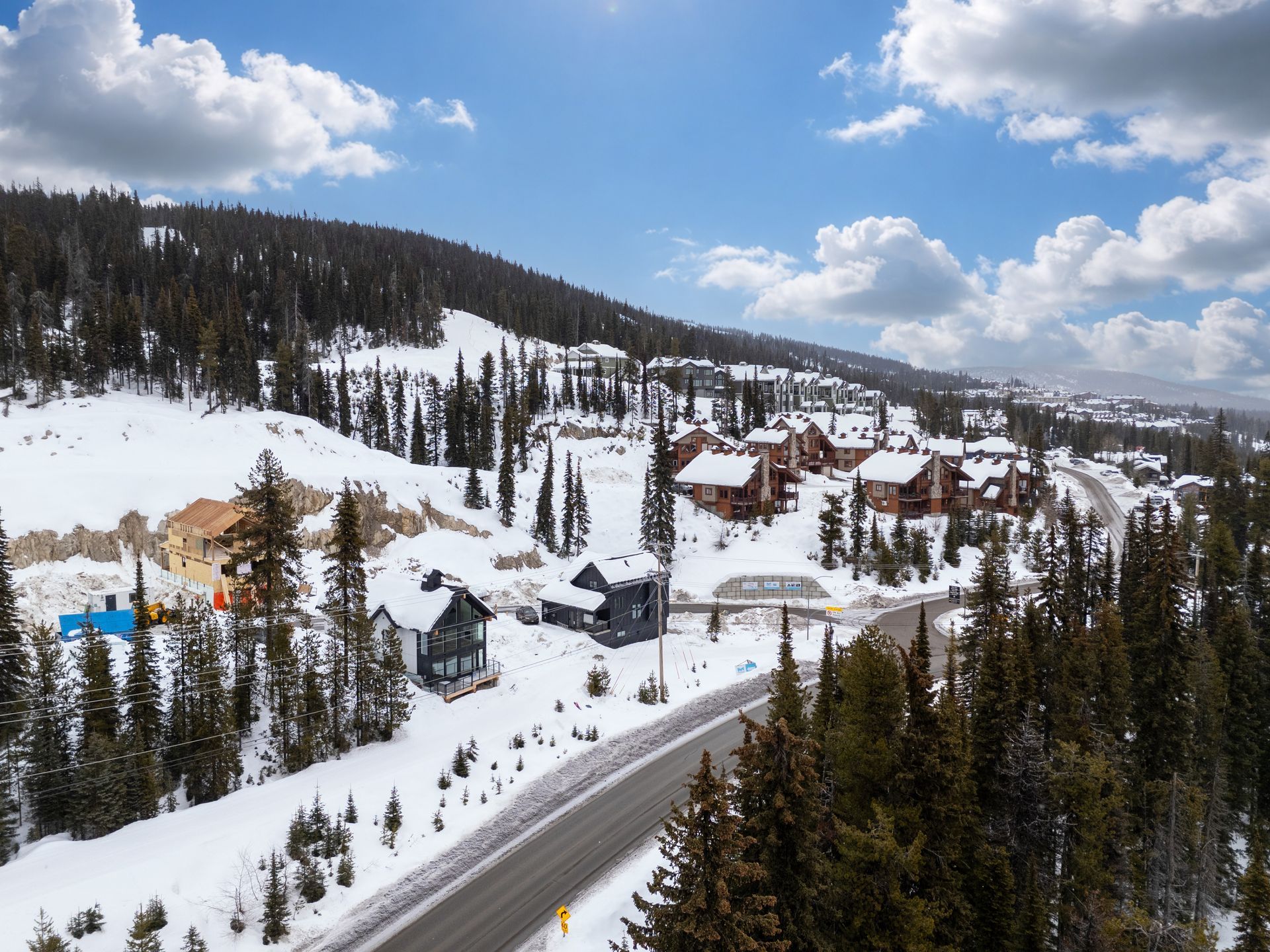
Leaving a property exposed during a winter build in Osoyoos BC is a massive risk that amateur builders frequently ignore. Staxon Homes has seen far too many projects suffer severe framing damage because the site was not properly secured before the temperature dropped. Freezing conditions and sudden snowfalls completely halt progress and destroy unprotected materials overnight.
Winterizing your construction site requires a strict sequential action plan. Moving quickly to close in the structure ensures your full home renovations stay on schedule and your budget remains intact. We apply precise general contracting protocols to protect the physical footprint so our tradesmen can keep working efficiently through the coldest months of the year.
Action Plan:
- Stage 1: Assess Site Vulnerabilities
- Stage 2: Schedule Temporary Heating and Hoarding
- Stage 3: Protect Exposed Materials and Framing
- Frequently Asked Questions
Stage 1: Assess Site Vulnerabilities
Before the ground freezes you must identify every weak point on the property. Taking a proactive look at the site prevents water from freezing inside critical structural components.
- Drainage Audit: Check the perimeter of the foundation and grade the soil so that freezing runoff flows away from the concrete walls.
- Utility Shutoffs: Ensure all exterior plumbing lines are completely drained and capped to prevent pipes from bursting inside the framing.
- Roof Inspection: Secure any loose underlayment or temporary tarps on the roof deck before heavy snow loads accumulate.
► Leaving wet soil directly against a newly poured foundation wall will cause frost heave that can crack the concrete instantly.
Stage 2: Schedule Temporary Heating and Hoarding
If your renovation requires interior finishing during the winter you must create an artificial climate. Securing the necessary heating equipment early keeps the trades working safely and ensures materials cure properly.
- Hoarding Erection: Build temporary wood frames covered in heavy poly plastic over any missing windows or open additions to block the wind.
- Heater Placement: Set up commercial indirect heaters outside the structure to pump clean dry heat inside without releasing dangerous exhaust fumes.
- Temperature Monitoring: Install smart thermometers to ensure the indoor temperature never drops below the minimum required for drywall mud and paint application.
Stage 3: Protect Exposed Materials and Framing
Lumber and structural materials left sitting in the snow will warp twist and become completely unusable. Organizing the job site is a fundamental part of professional project management.
- Elevating Lumber: Stack all framing lumber on proper skids keeping the wood far above the frozen ground and covered with breathable tarps.
- Sealing Subfloors: Apply specialized water repellent coatings to exposed plywood subfloors to prevent the edges from swelling under melting snow.
- Securing Tools: Lock all sensitive tools and temperature dependent adhesives in a heated insulated site trailer at the end of every shift.
Frequently Asked Questions
Can you pour concrete for an addition in freezing conditions?
You can pour concrete in the winter but it requires highly specialized techniques. The concrete supplier must use hot water and chemical accelerators in the mix to speed up the curing process. Once the pour is finished the crew covers the slab with insulated thermal blankets and runs ground heaters to prevent the water inside the concrete from freezing before it hardens.
How do you keep a house warm during a renovation?
We keep the interior warm by sealing every single opening with insulated hoarding and running commercial grade construction heaters. Standard residential furnaces should never be used during the drywall or sanding phases because the heavy construction dust will permanently destroy the internal blower motor and clog the ductwork.
What happens to exposed framing in the snow?
When raw framing lumber gets covered in snow it absorbs the moisture as the snow melts during the day. If that wet wood freezes again at night the expanding ice crystals tear the wood fibers apart causing the studs to bow and twist violently. We brush off snow immediately and aim to get the roof on as fast as possible to keep the framing bone dry.
Locking Down Your Winter Build
Taking immediate action to winterize your site is the only way to protect your property and keep the momentum going. Do not wait for the first hard freeze to figure out how you are going to keep the frost out of your foundation. Our teams are currently booking winter schedules and securing materials to guarantee smooth builds. Contact our office this week to lock in your project and ensure your home is built with precision all winter long.
Share This Blog